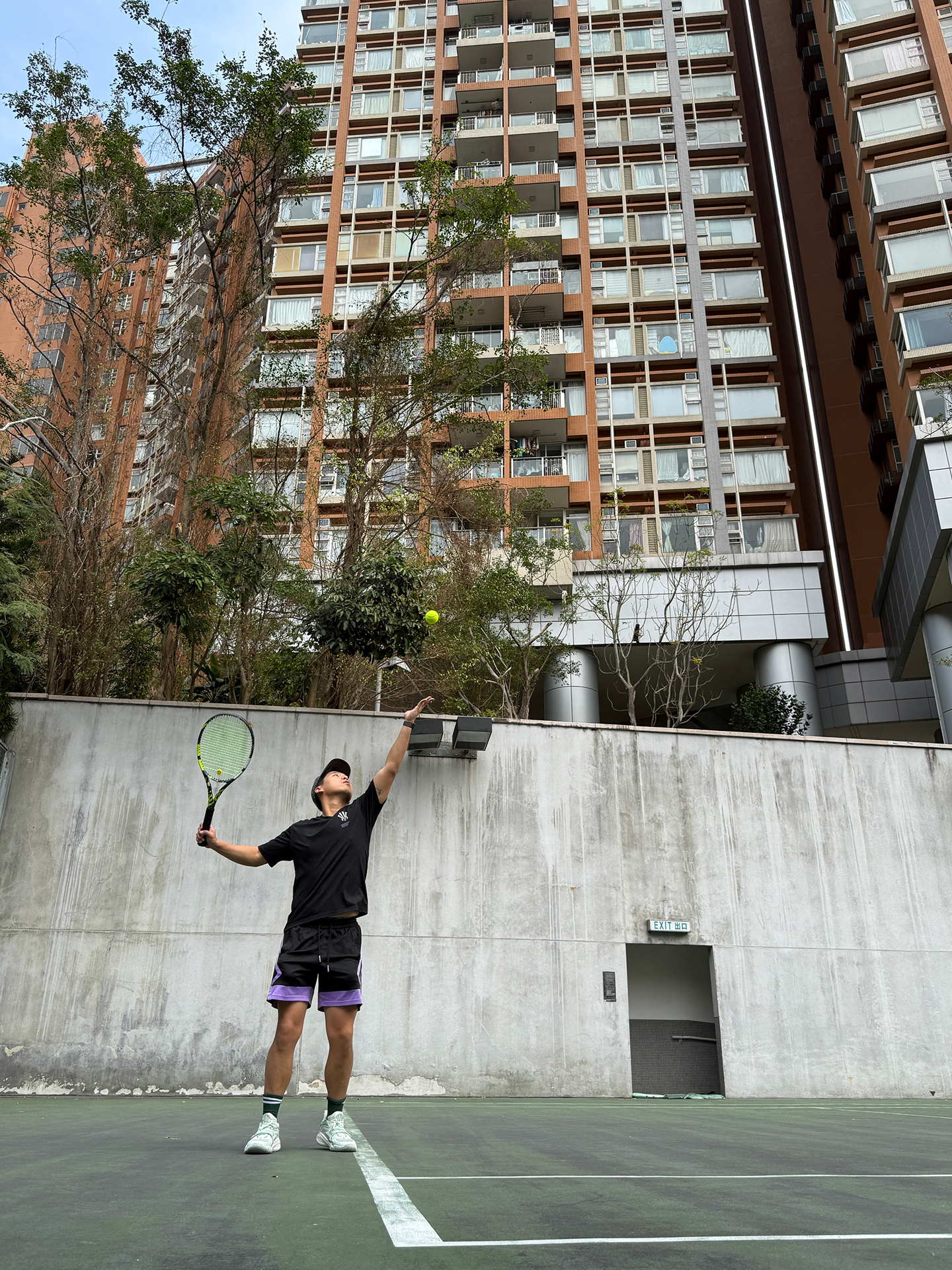
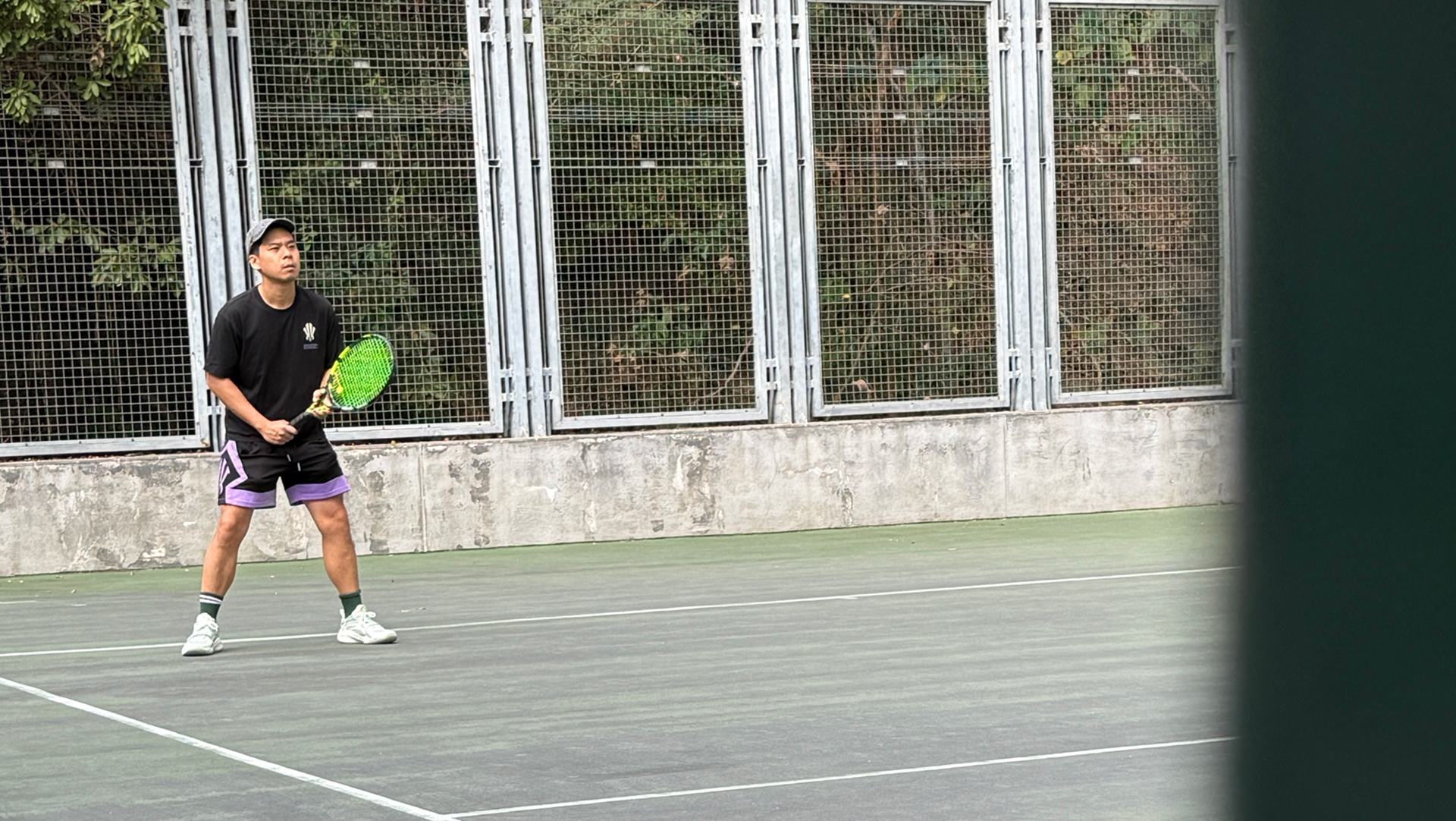
I’ve always loved sports. Growing up, the court or the field was my playground basketball, football, anything that demanded energy, teamwork, and a bit of grit. But somewhere along the way, the collisions started to sting more than they used to. Recovery took longer. My body began whispering something I didn’t want to admit: it was time to rethink the kind of hobby I wanted to have.
That’s when I found tennis. Or maybe it found me. At first, it was just curiosity a way to stay active without getting battered. But the first time I hit a ball cleanly, really cleanly, I felt something click. The sound, that crisp pop of strings meeting felt, was instantly addictive. There’s a strange peace that comes from rallying that steady rhythm of movement and contact. It’s meditative. And soon, I was completely hooked.
What started as a casual experiment became a ritual. Two, sometimes three sessions a week. My social feeds transformed into endless clips of forehands, serves, Federer highlights. I wasn’t just playing anymore I was chasing that perfect shot, that perfect moment of connection.
Tennis, I’ve learned, is a quiet teacher. It humbles you, over and over again. You can lose half the points in a match and still win something Roger Federer once mentioned in his Dartmouth speech. That lesson stuck with me. You can’t dwell on mistakes. A missed shot doesn’t define you; what matters is how quickly you reset. Point lost? Deep breath. Start again. That’s not just tennis that’s life.
And then there’s repetition. Countless swings under the afternoon sun, forehands that go wide, serves that clip the net. Improvement doesn’t come from thinking about it it comes from doing it, thousands of times. You step onto the court, hit, miss, adjust and repeat. The rhythm becomes your meditation, the progress almost invisible until one day it’s just there.
Early on, I thought tennis was about hitting winners. I’d swing for the lines, trying to end points in style. But the pros don’t play that way. Their secret is patience the art of not giving points away. They win by playing smart, not flashy. Over time, I realized that consistency, not risk, is what wins in the long run. The same truth applies off the court too: steady effort always beats bursts of brilliance.
The more I played, the more I noticed how much of my body needed to work together legs, hips, core, shoulders, all in sync. Before, I’d overuse my arms and feel the strain after every session. But when everything aligns when movement flows from the ground up the ball flies effortlessly. It’s a small miracle every time, the kind that keeps you coming back.
Two years in, tennis has reshaped how I think and how I live. It’s taught me discipline, patience, and the beauty of repetition. It’s reconnected me with that childlike joy of chasing improvement, and introduced me to friends who share the same spark.